TEPortrait not yet available
Person
Thomas Edison
Built one of the first industrial research laboratories and made electric light practical.
- Lifespan
- 1847–1931
- Country
- United States
- Industries
- Electronics, Consumer Products
The problem
Invention in the nineteenth century was largely the work of lone tinkerers, and early electric lighting was not yet practical for everyday use.
The innovation
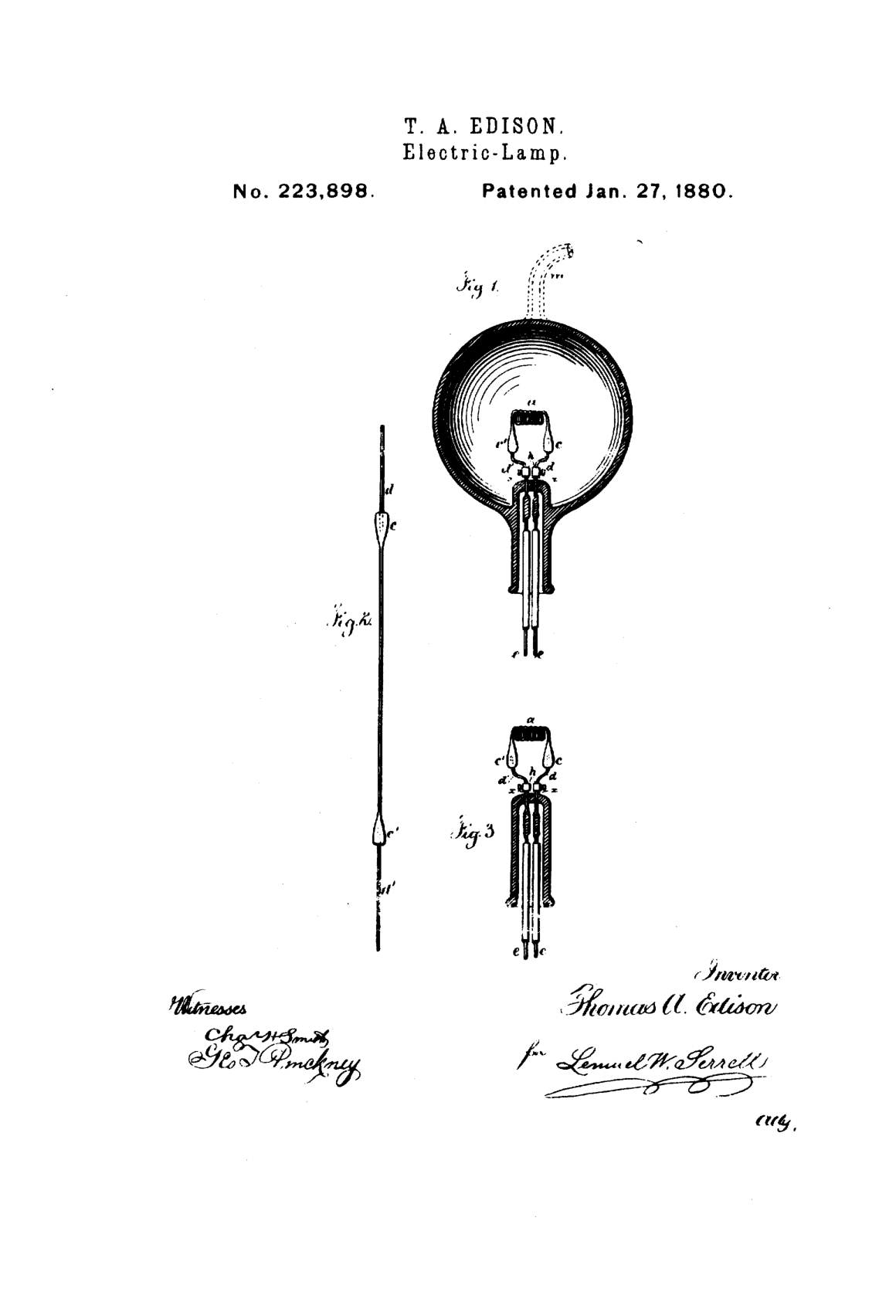
Edison organized a dedicated research laboratory that treated invention as a systematic, team activity, and developed a workable incandescent lamp together with the surrounding power-distribution system.
Why it mattered
Pairing the lamp with a complete generation-and-distribution system is what made electric lighting a usable product rather than a demonstration.
Lasting impact
The industrial research lab became the model for corporate R&D that followed.
Gallery